Euglena Under the Microscope
Euglena (Whole Mount), Euglena
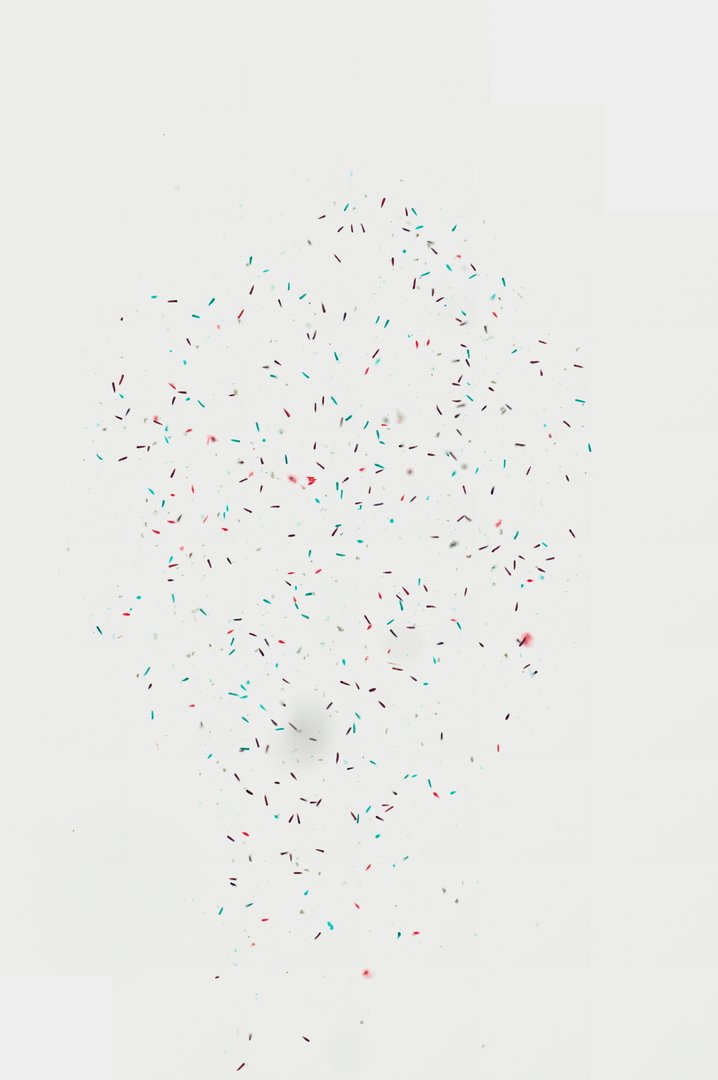
This slide shows many Euglena cells, single-celled organisms that can both photosynthesize and take in food. Euglena is a classic example of a protist that does not fit neatly into plant or animal groups.
This whole mount shows many Euglena, single-celled protists spread across the slide. Most cells are long and spindle-shaped, wide in the middle and narrow at the ends. Different cells took up different stains, so they look purple, red or blue-green. On a few cells, a thin thread called the flagellum trails from one end, and Euglena uses it to swim. Euglena is hard to sort into one group, since it can make food like a plant but also swims and takes in food like an animal.
What to look for
- Spindle-shaped cells: Long cells that are wide in the middle and taper toward the ends.
- Pellicle: A flexible outer covering that lets the cell bend and change shape.
- Chloroplasts: Small bodies inside the cell used for photosynthesis.
- Nucleus: A round structure near the middle of the cell.
- Flagellum: A long whip-like thread at the front end, often hard to see on prepared slides.
Questions and answers
What does Euglena look like under a microscope?
Euglena is a single cell shaped like a spindle, often around 50 micrometers long. In living cells you can see green chloroplasts, a red eyespot near the front, and a long flagellum it uses to swim.
Is Euglena a plant or an animal?
Euglena is a protist. It can make food by photosynthesis like a plant, but it can also take in food from its surroundings and swims with a flagellum, which are animal-like traits.
Compare it
- Category
- Microbiology
- Scan magnification
- 20x
- Stain
- Various
Viewing this slide in class
This is a scan of a real prepared slide, not a simulation or a drawing. On StudyScope you can pan from the whole slide down to individual structures, always in focus, and measure them in real micrometers with the calibrated ruler. Present it live and every student screen follows your view and annotations. Students join with a room code on Chromebooks, iPads, or any browser, with no accounts.