Daphnia (Whole Mount)
Daphnia
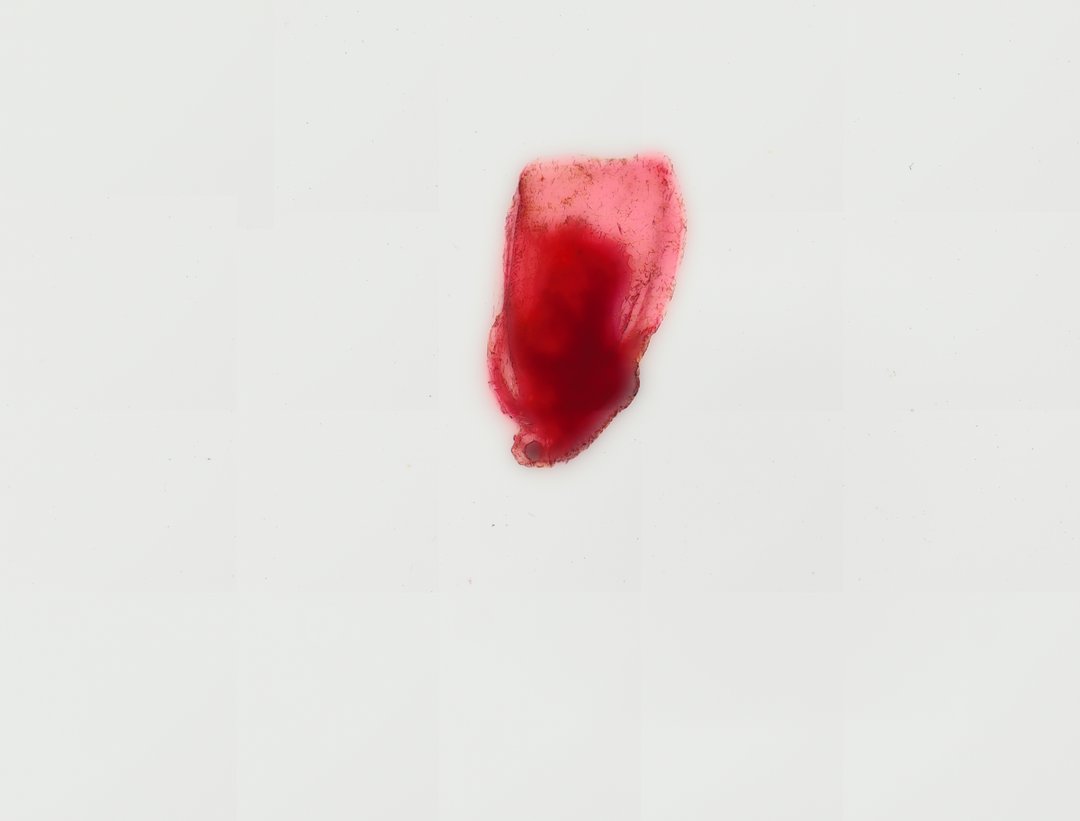
This whole mount specimen of Daphnia, commonly known as a water flea, illustrates key morphological features of planktonic freshwater cladocerans. The body is enclosed in a transparent, bivalved chitinous carapace that leaves the head free. Prominent structures include a compound eye composed of fused ommatidia, a pair of large, branched second antennae utilized for jerky swimming locomotion, and a distinct digestive tract running centrally through the body cavity. Stained with carmine or eosin, internal organ structures including the brood chamber, heart, and thoracic filtration appendages (phylloids) are clearly delineated, offering insight into microscopic aquatic invertebrate physiology and filter-feeding mechanisms.
- Category
- Invertebrates
- Magnification
- 20x
- Stain
- Carmine
- Tags
- Daphnia, water flea, Cladocera, whole mount, crustacean anatomy, carapace, compound eye, second antennae, digestive tract, brood chamber, freshwater zooplankton, invertebrate histology, carmine stain, eosin stain, brightfield microscopy, thoracic appendages, planktonic organism
Explore this slide with deep zoom, save it to your library, and present it live to students on StudyScope. Create a teacher account or browse the full catalog.